
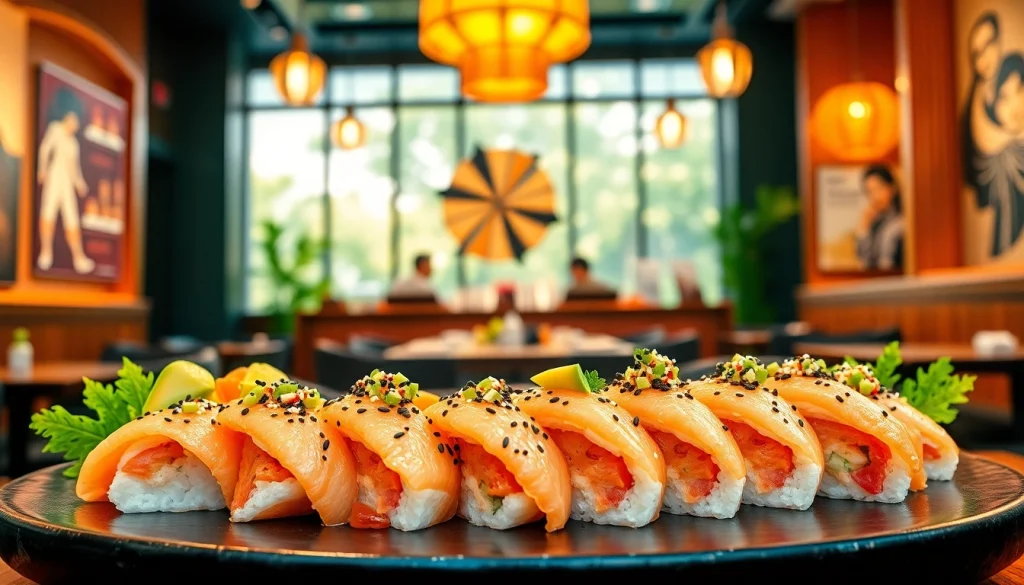
Understanding Restaurant Presentation
In the competitive world of dining, presentation is key in crafting memorable dining experiences. From the moment a guest walks into a restaurant, the visual elements, ambiance, and overall aesthetics play a crucial role in setting expectations. MISTER HOKI exemplifies how thoughtful presentation enhances not just the food, but the entire dining atmosphere.
What Makes a Memorable Presentation?
Creating a memorable presentation involves a thoughtful blend of visual appeal, creativity, and alignment with the overall theme of the restaurant. Key factors include:
- Visual Balance: The arrangement of food on the plate should strike a balance between color, shape, and texture, making it not only appetizing but also visually harmonious.
- Portion Control: Proper serving sizes create a sense of abundance without overwhelming the diner. The right proportions help in not just aesthetics but also ensuring that the meal is enjoyable from start to finish.
- Use of Garnishes: Thoughtfully chosen garnishes can enhance both taste and visual appeal, adding unexpected color and freshness to the dish.
- Plating Techniques: Techniques like stacking, layering, and the deliberate placement of sauces can elevate the dining experience and create a signature look for each dish.
Psychology Behind Food Plating
The presentation of food has psychological implications that affect diners’ perceptions and satisfaction levels. Studies have shown that:
- Color Psychology: The colors present in a dish can evoke emotions, influence appetite, and even enhance perceived taste. For instance, bright colors often suggest freshness and vibrancy.
- Shape and Texture: Round shapes and smooth textures usually invoke feelings of comfort, while angular shapes and rough textures can stir excitement and curiosity.
- Expectation vs. Reality: A beautifully presented dish sets high expectations for taste. A mismatch between expectation and reality can lead to disappointment, so creating a cohesive experience is vital.
Common Mistakes to Avoid
Even the most skilled chefs can make mistakes when it comes to presentation. Some common pitfalls include:
- Overcrowding the Plate: Too much food can overwhelm diners and distract from the main dish.
- Neglecting the Background: The choice of plate and table settings should complement the dish; a plain white plate can enhance a dish that is rich in color, while ornate dishes may clash.
- Ignoring the Senses: Presentation is not just visual; sound and aroma also influence perception. Failing to consider all senses can diminish the experience.
Creating an Inviting Atmosphere
An inviting atmosphere is integral to the overall dining experience, allowing guests to relax and engage fully with their meal. This involves multiple elements, including décor, layout, and sensory aspects.
Choosing the Right Lighting
Lighting can drastically change the perception of a dining space. Key considerations include:
- Brightness Levels: Soft, low lighting can create an intimate ambiance, while brighter settings are often suited for casual dining.
- Accent Lighting: Highlighting specific areas, such as artwork or food displays, draws attention and enhances the aesthetic.
- Adjustable Options: Having variable lighting allows restaurants to adapt to different times of the day and occasions, making them versatile and appealing.
Table Layout and Design Tips
The arrangement of tables and seating significantly impacts guest interaction and comfort. Effective design tips include:
- Space Between Tables: Proper spacing ensures privacy without feeling isolated, which is important for both casual and more formal dining experiences.
- Accessibility: Ensuring that the layout accommodates wheelchair access and is navigable for both staff and guests is essential for inclusivity.
- Seasonal Themes: Changing tablecloths, centerpieces, and décor according to seasons or events can make the atmosphere dynamic and engaging.
Incorporating Colors Effectively
Color psychology plays a pivotal role in creating an inviting atmosphere. Through the thoughtful inclusion of various colors, restaurants can influence mood and appetite:
- Warm Tones: Colors like red and orange stimulate appetite, making them popular choices in dining settings.
- Cool Tones: Shades of blue or green can create a tranquil environment and may help guests feel more relaxed.
- Accent Colors: A few bold accents can draw attention and enhance the overall color scheme without overwhelming.
Incorporating Trends in Restaurant Design
Staying relevant in the restaurant industry often requires incorporating current trends in design and presentation. While fads come and go, certain elements consistently resonate with modern diners.
Sustainable and Eco-Friendly Elements
The demand for sustainable practices has transformed restaurant design. This can include:
- Recycled Materials: Utilizing recycled or upcycled materials in furniture and décor signals a commitment to environmental responsibility.
- Energy-efficient Systems: Implementing LED lighting, low-flow water fixtures, and energy-efficient appliances can reduce operational costs and environmental impact.
- Urban Green Spaces: Incorporating plants and green walls not only enhances aesthetic appeal but improves air quality and promotes well-being.
Modern vs. Traditional Aesthetics
Balancing modern designs with traditional elements allows restaurants to connect with various customer segments:
- Modern Minimalism: Clean lines and uncluttered spaces create a calm dining environment that appeals to contemporary tastes.
- Classic Elements: Including traditional artifacts or fixtures pays homage to history and can resonate with diners looking for authenticity.
- Hybrid Designs: Combining elements from both styles creates a unique atmosphere, providing a fresh experience for repeat customers.
Adding Unique Personal Touches
Personalization in design can set a restaurant apart from its competitors. Effective strategies include:
- Local Art Displays: Showcasing local artists can create a sense of community while enhancing the restaurant’s charm.
- Signature Decor: Introducing unique pieces or themes that reflect the restaurant’s ethos can captivate diners.
- Interactive Elements: Features like open kitchens or communal tables invite diners to engage more deeply with their dining experience.
Delighting the Senses Beyond Taste
Dining is a multi-sensory experience where taste is complemented by sound, smell, and service. To create a holistic experience, restaurants should consider these sensory elements.
The Role of Aroma in Dining
Aromas are intrinsically tied to memory and emotion, making them a powerful tool in restaurant design:
- Aroma Marketing: Introducing signature scents associated with certain dishes can enhance attraction and lasting impressions.
- Ventilation Systems: Proper ventilation maintains a balance by preventing overlapping odors from various cuisines, ensuring each dish retains its unique scent.
- Seasonal Scents: Embracing seasonal aromas through décor, like fresh flowers or spices, enhances the sensory experience.
Choosing Background Music Wisely
Music is vital in crafting the dining ambiance. Effective choices include:
- Volume Levels: Background music should enhance the atmosphere without overpowering conversation.
- Curated Playlists: Setting a theme through music genres can reinforce the restaurant’s concept, whether upscale, casual, or culturally themed.
- Dynamic Playlist: Adjusting the playlist throughout different dining periods creates varied atmospheres, catering to lunch crowds versus dinner service.
Customer Service’s Impact on Experience
Exceptional customer service can elevate even the simplest dining experience. Key components include:
- Training Programs: Investing in thorough training ensures that staff is knowledgeable, attentive, and engages customers appropriately.
- Personalized Experiences: Remembering regular customers’ preferences can turn a meal into a memorable experience.
- Swift Responses: Ensuring staff is attentive to guest needs promotes enjoyment and can boost positive reviews and return visits.
Measuring the Impact of Presentation
To ensure that efforts are yielding results, it’s essential to develop methods for measuring the effectiveness of changes in presentation and atmosphere.
Feedback Mechanisms and Guest Surveys
Collecting diner feedback is pivotal in understanding the impact of presentation. Key methods include:
- In-house Surveys: Distributing short, engaging surveys can provide valuable insights on guest experiences related to presentation.
- Online Review Monitoring: Routinely checking social media and review platforms can provide an understanding of guests’ perceptions.
- Focus Groups: Organizing sessions with selected diners can yield in-depth qualitative data on presentation strategies.
Analyzing Sales Before and After Changes
Quantitative metrics can provide robust evidence of the impact of changes. This involves:
- Sales Trends: By comparing sales figures pre- and post-implementation of new presentation techniques, restaurants can assess direct financial impacts.
- Menu Item Performance: Observing which items become more popular following changes can help identify successful plating approaches.
- Customer Retention Rates: Monitoring retention can provide insights into the overall satisfaction generated by improved presentation.
Case Studies of Successful Restaurants
Examining successful case studies allows restaurants to benchmark their strategies. Key examples include:
- Transformative Rebranding: An upscale diner revamped its entire atmosphere and plating style, resulting in a 30% increase in business over six months.
- Signature Presentation: A casual restaurant focused on signature dish presentation and leveraged social media, resulting in increased visibility and customer engagement.
- Community Engagement: By involving local artists and artisans in decor, a food truck maintained high customer loyalty and positive feedback on atmosphere and uniqueness.
FAQs
What is the importance of food presentation in dining?
Food presentation impacts diners’ perception, enhances appetite, and creates memorable experiences that can influence return visits.
How can lighting affect the dining atmosphere?
Lighting affects mood and can enhance or detract from the overall dining experience, making it crucial for creating an inviting atmosphere.
What role does color play in restaurant design?
Color can evoke emotions and influence appetite, so a thoughtful color palette can improve the dining experience and atmosphere.
How do I effectively gather customer feedback?
Surveys, online reviews, and focus groups are effective methods for collecting valuable customer insights regarding their experiences.
What metrics should I monitor after changing presentation styles?
Monitor sales trends, menu item performance, and customer retention rates to assess the impact of presentation changes over time.