
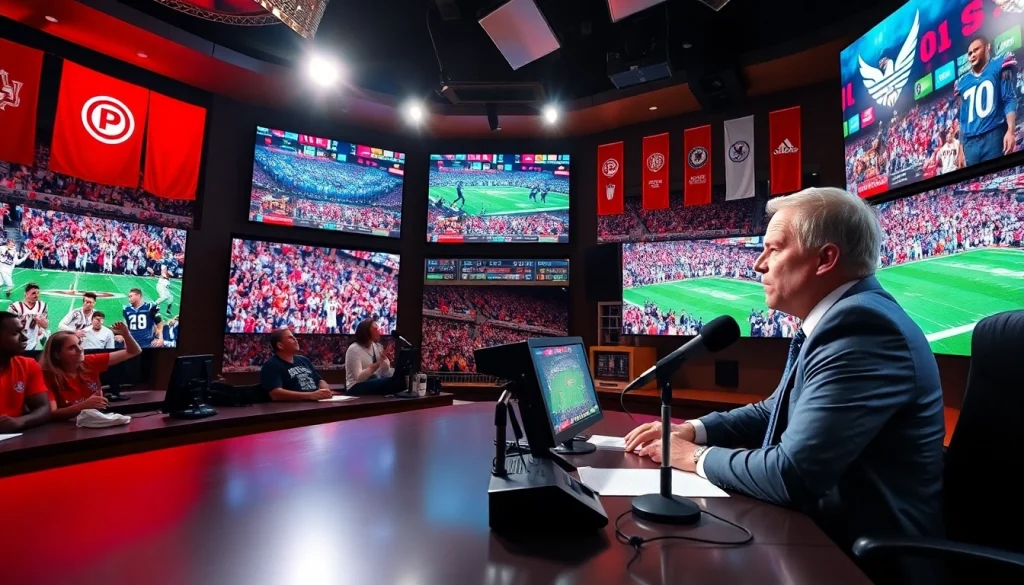
Understanding the Landscape of Sports Broadcasting
In a world where entertainment and sports converge, Sports Broadcasting stands as a pillar of modern media. This dynamic field has transformed from mere radio broadcasts to multi-faceted coverage that incorporates the latest technology and audience engagement strategies. Understanding its evolution and components is essential for stakeholders in the industry, including broadcasters, audiences, and advertisers alike.
What is Sports Broadcasting?
Sports Broadcasting involves the dissemination of sports-related content via television, radio, digital platforms, and social media. It encompasses live game coverage, pre- and post-game shows, interviews, highlights, and sport-related commentary. This genre of media serves as a bridge between sports events and fans, enabling viewers to engage with their favorite teams and athletes. The expansive reach of sports broadcasting makes it a critical component for the overall marketing strategy of sporting events.
Historical Development of Sports Broadcasting
The journey of sports broadcasting can be traced back to the late 1920s, when radio broadcasts began to carry live sports events into homes across America. The first-ever radio broadcast of a sports event took place in 1921 when a boxing match was aired. As technology advanced, television emerged in the 1940s, revolutionizing how audiences consumed sports. The 1960s saw the introduction of color broadcasting and instant replays, garnering immense popularity and further shaping sports culture.
With the advent of the internet in the late 20th century, sports broadcasting underwent another transformation. The rise of cable and satellite television expanded the availability of live sports coverage. Today, streaming services have taken center stage, allowing fans unprecedented access to varied sports content anytime and anywhere. The historical evolution reflects the continuous pursuit of improving viewer experience and accessibility.
Impact of Technology on Sports Broadcasting
Technology plays a critical role in shaping how sports broadcasting is conducted. Advanced camera systems, drones, and 360-degree video provide immersive viewing experiences that engage fans. Innovations like augmented reality (AR) enhance storytelling, allowing analysts to provide deeper insights during broadcasts.
Additionally, data analytics have transformed commentary styles; commentators now use detailed performance stats in real-time, allowing for richer narratives. The incorporation of viewer interactivity through social media platforms also allows fans to engage and voice opinions during live events, creating a community around sports broadcasting.
Key Components of Successful Sports Broadcasting
Essential Equipment for Sports Broadcasting
To produce high-quality sports broadcasts, various equipment is crucial. Cameras, microphones, and lighting systems form the backbone of any broadcast operation. Professional-grade cameras with high definition (HD) capabilities are essential for capturing the action, while multiple camera angles provide viewers a comprehensive perspective of events.
Additionally, high-quality microphones ensure that commentary and sound effects are crisp. A reliable mixing console allows for the integration of different audio feeds, enhancing the viewer’s experience. For a seamless broadcast, dedicated control rooms equipped with advanced broadcasting software facilitate live switching of video feeds, graphics insertion, and real-time data access.
The Role of Audience Engagement
Audience engagement is paramount in sports broadcasting. Engaging viewers goes beyond just delivering content; it involves creating interactive experiences. Social media has revolutionized how broadcasters connect with audiences, allowing fans to participate in live chats, polls, or commentary discussions. Understanding audience demographics and preferences allows broadcasters to tailor their content effectively, fostering a loyal viewer base.
Moreover, studios are increasingly utilizing viewer feedback to improve future broadcasts. Implementing gamified elements such as trivia related to the game or athlete can enhance engagement levels, attracting younger audiences while retaining existing fans.
Effective Commentary Techniques in Sports Broadcasting
Effective commentary can make or break a sports broadcast. Commentators should possess deep knowledge of the sport while also demonstrating engaging storytelling skills. Clear articulation and a personable demeanor engage viewers, making them feel part of the event.
Incorporating humor, dramatic pauses, and strategic pacing can enhance the theatrical aspect of commentary. Additionally, using statistics judiciously to support commentary not only informs the audience but also elevates the overall viewing experience. Transitioning smoothly between play-by-play commentary and analytical insights is critical to maintaining viewer interest.
Challenges in Sports Broadcasting
Managing Live Events and Timing
Live events come with inherent challenges, particularly concerning timing and logistical coordination. Each sports event has different dynamics and timelines. Broadcasters must be adept at managing content flow to align commercial breaks, live interviews, and highlight reels without disrupting the live action.
Effective communication with production teams and real-time decision-making are vital in mitigating unexpected issues, such as player injuries or game delays. Establishing a robust game plan prior to the event ensures that all team members are aligned, allowing smooth navigation of potential hurdles during live broadcasts.
Addressing Licensing and Legal Concerns
Licensing and rights management remain significant challenges in sports broadcasting. Broadcasters must secure permissions to air sporting events which can involve extensive negotiations with teams, leagues, and rights holders. Noncompliance can lead to legal ramifications, including costly fines and litigation.
Maintaining transparency in contracts with stakeholders and staying informed about changing regulations is essential to navigate these complexities. As the landscape evolves, understanding international rights variances becomes increasingly important for global broadcasts.
Technical Issues and Their Solutions
Technical issues can disrupt broadcasts and affect viewer experience adversely. Common problems include broadcast signal failures, equipment malfunctions, and internet connectivity issues. Mitigating these risks requires thorough preparation, including comprehensive testing of all equipment before air time.
Implementing backup systems, such as alternative feeds and redundant equipment is crucial. Training staff on troubleshooting can expedite recovery from technical difficulties, ensuring a seamless viewer experience even in adverse conditions.
Emerging Trends in Sports Broadcasting
Integration of Augmented Reality in Broadcasting
Augmented reality (AR) has emerged as a game-changer in sports broadcasting, enhancing the viewer experience through interactive content overlays. AR provides audiences with augmented graphics and in-depth visualizations, improving their comprehension of plays and statistics during live events. This technology allows viewers to see player stats in real-time or understand game strategies, creating a more immersive experience.
Additionally, augmented experiences can be extended beyond the broadcast itself. By allowing fans to engage with their favorite athletes through AR applications, broadcasters can enhance viewer loyalty and engagement.
Shift Towards Streaming Services
The shift towards streaming services has transformed the landscape of sports broadcasting dramatically. Platforms such as OTT media services allow fans to access sports content on demand, catering to changing consumer preferences. Traditional cable subscriptions are declining as viewers choose flexibility over bundled channels.
Streaming services can target niche audiences, offering coverage of lesser-known sports and events that may not receive attention from traditional broadcasters. This shift not only democratizes access to sports broadcasting but also presents new revenue opportunities through subscription models and premium content offerings.
The Future of Sports Broadcasting Platforms
The future of sports broadcasting platforms points toward a more personalized viewer experience. Enhanced data analytics will empower broadcasters to deliver tailored content, advertisements, and experiences based on viewer preferences. AI-driven analysis will provide insights that can be shared during broadcasts, further enriching the viewer’s experience.
Collaborative platforms where users can discuss games in real-time will shape community engagement and viewer interaction with broadcasts. As technology continues to evolve, integrating new technologies like VR, AI, and blockchain might define the trajectory of sports broadcasting in the coming years.
Performance Metrics in Sports Broadcasting
Measuring Audience Reach and Engagement
Understanding audience reach and engagement is fundamental to evaluating the effectiveness of sports broadcasting. Traditional metrics such as TV ratings are now supplemented with digital analytics, capturing data from live streams, social media interactions, and viewer demographics. Metrics like average watch time, peak viewership, and engagement rates provide broadcasters with comprehensive insights into audience behavior.
Tools that combine traditional metrics with digital analytics enable broadcasters to adjust strategies in real time, ensuring content remains relevant and engaging throughout the viewing experience.
The Importance of Viewer Feedback
Viewer feedback is a valuable resource that helps refine sports broadcasting strategies. By actively seeking audience opinions through surveys, social media interactions, and focus groups, broadcasters can understand viewer preferences and pain points. This feedback loop fosters improved audience relations and produces content more aligned with viewer expectations.
Broadcasters who embrace audience feedback demonstrate a commitment to enhancing viewer experiences, fostering loyalty, and encouraging engagement.
Analytics Tools for Sports Broadcasting Success
Advanced analytics tools provide broadcasters with actionable insights essential for success. These tools facilitate the tracking of performance metrics, audience behavior, and social media engagement. By analyzing this data, broadcasters can optimize content strategies, identify areas for improvement, and forecast trends.
Leveraging predictive analytics will also allow broadcasters to prepare for audience shifts, ensuring content remains appealing and relevant. Utilizing these analytics effectively positions broadcasters to thrive in an increasingly competitive landscape.
FAQ
What types of content are included in sports broadcasting?
Sports broadcasting typically includes live games, highlights, commentary, interviews, and analysis. Pre and post-game shows are also common.
How has technology changed sports broadcasting?
Technology has enhanced video quality, introduced interactive content, and enabled real-time data analysis, providing a richer viewing experience.
What are the main challenges in sports broadcasting?
Main challenges involve managing live event timing, legal licensing issues, and technical difficulties. Preparedness is essential in overcoming these challenges.
How important is audience engagement for sports broadcasters?
Audience engagement is crucial. It helps broadcasters build loyalty, adapt content to viewer preferences, and enhances interactive experiences.
What metrics are vital for measuring sports broadcast success?
Key metrics include audience reach, engagement rates, and viewer feedback. These data points inform content strategies and audience targeting.